Show summary Hide summary
At the airport counter, when a small detail feels wrong
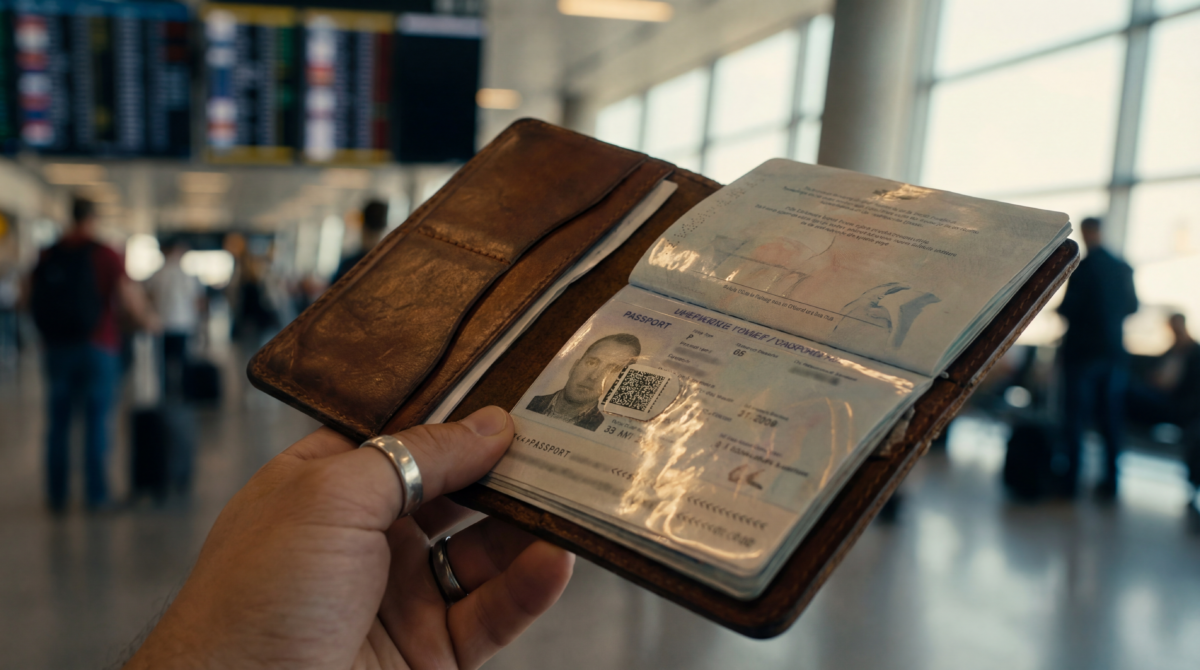
It begins as an ordinary moment at the airport. You take out your Irish passport, walk towards the e-gates, and get ready to glide through. Then the agent frowns. Something about the country code line looks off. In that instant, a missing three-letter mark turns into a serious red flag.
The Irish Department of Foreign Affairs later confirmed what was going on. After a software update, nearly thirteen thousand passports were printed with a defect: the crucial IRL country code had disappeared from the machine-readable zone at the bottom of the identity page.
At first glance, everything else appears perfect. The harp is there, the colours look right, and the chip is embedded as usual. You might reasonably shrug and move on. Yet that small code is what many border systems actually rely on as proof of your nationality.
Hacker forum implodes and leaks its own secrets. Why your private data may be next
Microsoft Just added a ‘kill switch’ for Copilot. What are they afraid admins will discover?
Officials have explained that these passports may fail at automated gates and even at some manual checks. Because the missing code breaks international travel standards, the State launched a recall and urged holders to keep any related screenshot or notice.
If you hold an Irish passport issued recently, it is worth taking a closer look now. At the same time, the situation creates an opening for fake recall messages. So let’s walk through the genuine warning signs and see how to tell a technical glitch from a scam.
The signs your passport recall notice is not quite right
- The message pushes you to respond through a random platform instead of directing you to the official Irish government website.
- The email sender’s domain does not end in a trusted government address and looks slightly misspelled.
- A text asks you to confirm your full passport number and date of birth over an unsecured channel.
- You are told to pay a fee for the replacement using an unusual payment method such as gift cards or cryptocurrency.
- The notice threatens an unrealistically short deadline, for example “within two hours” or “by the end of today.”
- The link takes you to a login page on a strange URL that mixes random letters, numbers, or non-Irish domains.
- There is no clear reference to the official recall of roughly thirteen thousand documents.
- The contact phone number does not match the one listed on the genuine Department of Foreign Affairs website.
- The tone feels aggressive, includes spelling mistakes, and uses vague language about security proof.
- You are asked to upload a scan or photo of your passport to an unverified platform without any sign of encryption or security.
The simple checks that expose a faulty document
- Step 1. Take one minute to inspect the machine-readable line at the bottom of your identity page. Check whether the three-letter country code “IRL” appears where it should. This quick verification action tells you immediately if your passport may be affected.
- Step 2. Within five minutes, open the official Department of Foreign Affairs URL by typing it directly into your browser. Then look for any alert about recalled passports and compare the dates and figures with your own document. This approach helps you avoid fake pages that merely copy the news.
- Step 3. Next, call the official phone number listed on that same site during office hours. Ask whether your passport number falls within the recalled batch. A direct conversation with staff is far more reliable than any unsolicited email claim.
- Step 4. If you received an email, spend two minutes checking the sender’s domain letter by letter. Then hover over each link without clicking. A mismatch between the visible text and the real address is a strong warning sign.
- Step 5. Afterwards, search the official notice for your passport’s issue date and series. If the recall mentions a specific production window or batch, compare those details calmly with your own booklet. This narrows down whether your document is actually impacted.
- Step 6. Take clear photos or a screenshot of any notice, email, or text related to the recall, and store them with the time and date. This simple habit makes it much easier later if you need to file a formal report.
- Step 7. Over the next day, check airline and border control advisories for Ireland. Some carriers may publish short notes about affected passports. This extra viewpoint helps confirm how serious the defect is for real-world travel.
- Step 8. If any site asks you to pay for a replacement, pause and consult the official fee section on the government website. The Irish recall guidance will state clearly whether the corrected passport is free. Any unexpected payment method request deserves immediate suspicion.
- Step 9. Finally, if you are already at an airport, speak directly to border staff. Show them the identity page and mention the missing code. Their reaction provides real-world proof of how the defect affects your ability to travel.
What to do now if your travel plans are at risk
If you have already clicked on a recall link, close the page straight away and clear your browser history. Then run a quick security scan on your device to check for malware. After that, log in to your email account and review recent login activity for anything unusual.
If you shared passport details on a suspicious platform, contact the Department of Foreign Affairs as soon as you can and ask them to flag your document. Then keep a close eye on your email and bank accounts, and change any passwords that you reused on the same channel.
If you actually paid someone for a replacement, call your bank or card provider immediately. Explain that the payment may be linked to a scam exploiting the Irish passport recall. Keep every email, screenshot, and transaction record as proof to support a chargeback or dispute.
For a more formal response, you can file a report with your national fraud authority. In Ireland, that usually means the local police and consumer protection bodies. In the UK or US, your own agencies can log the pattern and warn others. It may feel tedious, yet these reports help prevent future victims.
The reflex to keep when your documents suddenly fail
The most useful reflex is straightforward. When an official document such as a passport suddenly becomes a problem, stop for a moment. Then go straight back to the source: the real government platform, reached via an address you type yourself, before you react to any message, call, or link.
In the Irish case, the clearest red flag is any recall notice that demands payment or extra personal data through a random link. At that point, your instinct should say that something is off and that it is time to double-check.
A similar glitch could easily arise with driving licences, residence cards, or national ID documents. A batch might be printed with the wrong code, or a chip might fail after production. Scammers love exactly these moments of confusion and rush in with fake recovery offers.
So keep this story quietly in mind. Take a moment to look at the machine-readable line in your own passport, talk it through with family, and share the warning if it seems useful. One careful verification action today could spare you a ruined trip tomorrow.
FAQ
What is the issue with some recently issued Irish passports?
Around thirteen thousand Irish passports were printed without the three-letter country code “IRL” in the machine-readable zone, which can cause problems at automated gates and some manual border checks.
How can I quickly check if my Irish passport might be affected?
Inspect the machine-readable line at the bottom of the identity page and confirm that the country code “IRL” appears where it should. Then visit the official Department of Foreign Affairs website by typing the address yourself and compare any recall details with your passport’s issue date and series.
What are common signs that a passport recall message is a scam?
Warning signs include being asked to respond via random platforms, pay fees with unusual methods, share full passport details over insecure channels, or click on strange URLs. Aggressive tone, spelling mistakes, unrealistic deadlines, and contact details that do not match the official Department of Foreign Affairs site are also red flags.
What should I do if I already clicked a suspicious recall link or shared my passport details?
This terrifying US stalkerware case just exposed a global surveillance nightmare
Big tech just turned on you : why your favorite platforms are about to become your biggest threat
Close the page, clear your browser history, and run a security scan on your device. Then review recent logins on your email, contact the Department of Foreign Affairs to flag your document, monitor your accounts, and change any reused passwords.
What steps should I take if I paid money for a fake passport replacement?
Contact your bank or card provider immediately to report the payment as potentially fraudulent and keep all related emails, screenshots, and transaction records. You can also file a report with your national fraud authority so the pattern can be logged and others warned.
Glossary
- Passport. An official travel document issued by a government that certifies the identity and nationality of its holder, allowing them to travel internationally and pass through border controls.
- Recall. An official request by an authority to return or replace previously issued items, such as passports, when a defect, safety issue, or non-compliance with standards has been discovered.
- Official notice. A formal communication issued by a recognised authority, such as a government department, providing verified information or instructions that people are expected to follow.
- Document. A recorded piece of information, often in written or printed form, that serves as evidence or proof, such as a passport, contract, or certificate.